3.3.1 - What "Ready" Actually Means Once Real Users Are Looking
Define the readiness rule: say what has to be true, how it will be checked and who owns any remaining risk.


Readiness rule
Are readiness criteria clear enough for launch with AI-assisted coding?
The call
Define ready before the pressure to ship decides for you. Otherwise AI helps you polish indefinitely or launch too early.
Sharpen the readiness rule with AI
This is a Launch idea, so there are two AI moves: first Sharpen the readiness rule using the prompt below, then Build it with AI, building carefully to carry the decision into the live system. This idea also calls for Run it for real.
New here? Let your AI do this with you. Paste your problem into Guide me and it builds a prompt that walks you through this in ChatGPT or Claude. You do not need to know how to prompt.
Prefer to drive the AI yourself? Give ChatGPT or Claude this page and ask it to help. For skill.txt, the Claude Code plugin and other ways in, see how to use vibe2value.
Or copy this prompt into AI chat, replace the bracketed lines with your real readiness rule and keep the instruction exactly as visible here. It helps you put your launch/readiness-rule.md together by refining your three lines until two people would make the same product decision from them.
Ready is a claim that you can stand behind it, which is the whole trustworthy question in three letters. That is Ways to make the output trustworthy, one of the six ways to work with AI.
The same idea on a recipe card
A meal is ready to serve when the checks pass, not when it feels about done: the chicken is up to temperature, the sides are hot and the plates are warm. Plate up on a vague feeling and someone gets a cold side or a pink middle, in front of the guests.
Your readiness rule is that set of checks before plating. Name what has to be true before you serve, how each thing is checked and who owns anything still risky. Agree it before the pressure to get food out decides for you, so ready is a passed checklist and not just a hopeful mood.
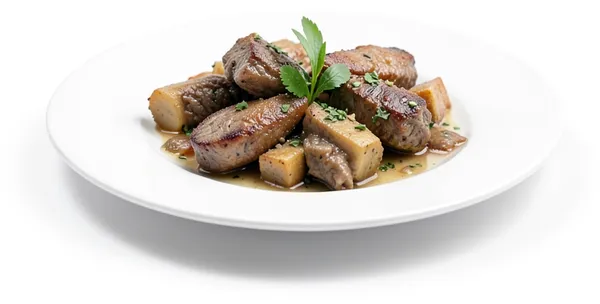
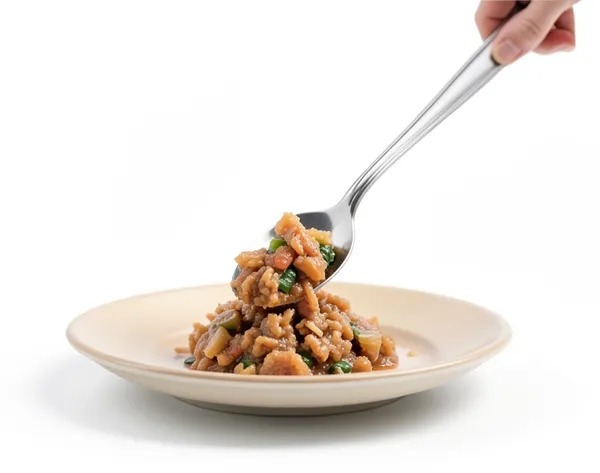
Ready means chicken up to temperature, checked by a thermometer, a hand on the plate, and the head cook plates up.
- ✓what has to be truechicken up to temperature
- ✓how it gets checkeda thermometer, a hand on the plate
- ✓who owns what is leftthe head cook plates up
The recipe card is just a simple example, using everyday cooking ideas everyone understands, to make the concept clear.
What it really means
A readiness rule is not a feeling of completeness. It is the specific set of conditions that must be true before shipping. Until you can name what has to be true, how it will be checked and who owns any remaining risk, readiness is just a mood. AI can help verify conditions, but it cannot set the bar.
Make the readiness rule concrete
Compare the broad version with a version you can actually test.
- Too vague: We will ship when it feels ready.
- Concrete enough to test: Ready means twelve emails in, twelve logged and one digest out, checked by hand on a real mailbox with what came back written down. Anything the suggestion gets wrong is mine.
The second version lets two people make the same decision from it.
Check the readiness rule
- Pass: You can say what has to be true, how it will be checked and who owns any remaining risk.
- Fail: If ready still means it looks good or nobody has found a problem, the rule is not clear enough yet.
Do not move into launch until this passes.
What you'll walk away with
This post is about the framing decision: the words that pin down what this idea actually means for your build, before any code. You'll come out with your own knowledge-base/launch/readiness-rule.md written and sharpened: the readiness rule pinned down as a decision, three worked examples to map against your own surface and an AI prompt that pressure-tests it until two people would make the same call.
Write it down
Your readiness-rule.md is a real file in your project. The AI forgets everything between sessions. It reads this file each time to pick up what you already decided, on this idea or another part of the build. Write it down once instead of explaining it again.
knowledge-base/framework/launch/readiness-rule.md is just a suggested name and place for this information. The name and the location are just how we organise this type of documentation, not something you have to follow. Call the file and put it wherever suits your project. What matters is that it is written down in a format that is easily understood by both people and the AI.
The .md ending is markdown, a plain text format often used for documents kept in a code repository like GitHub. It is just the common way people store this kind of writing alongside their code.
Writing it down is how you keep good context for your AI. See Keep the signal, not the noise for why this matters across a whole build.
Risk and mitigation
- Risk: Shipping before readiness conditions are met, which damages trust and creates urgent fixes that could have been prevented.
- Mitigation: Define readiness conditions before the launch date and do not override them without evidence.
Key takeaway
Do not move forward until you can say what has to be true, how it will be checked and who owns any remaining risk.
How to document your readiness rule
Write your readiness rule up in full so your AI has the whole picture: the answer, why you believe it, what you are optimising for, where you might be wrong and the standing instruction it should follow. Keep it in a file with your project like this.
# Readiness rule

## Answer
Pass check: [what has to be true]
How it is checked: [how it will be checked]
Remaining risk owner: [who owns any remaining risk]

## Evidence
Why you believe this. Conversations, examples, tickets, your own experience.

## Decision
What you are optimising for and what you are saying no to.

## Risk
Where you might be wrong and what would tell you.

## AI instruction
The standing note your AI reads on this project.
Here is one filled in so you can see what good looks like, grounded in the recipe card idea from earlier.
## Answer
Pass check: The chicken is up to temperature, the sides are hot and the plates are warm
How it is checked: A thermometer in the chicken and a hand on the plates before serving
Remaining risk owner: The head cook plates up only once every check passes

## Evidence
The plates that went out before everything was hot came back with complaints, so nearly ready is not ready.

## Decision
Optimising for every plate leaving only when the checks pass. Saying no to sending food out to save a few minutes.

## Risk
Under pressure a check gets skipped. Make the checks quick and give one person the call to hold the plate.

## AI instruction
Ready means the chicken is up to temperature and the sides and plates are hot, checked by a thermometer and a hand on the plate. The head cook plates up only once every check passes.
Share a thought or a question
Join vibe2value for free to share your thoughts and feel welcome to ask a question in the comments. If you prefer, email me your question: matt@vibe2value.com