3.1.3 - Decide in Advance What Would Change Your Mind
Set the decision threshold: say what evidence will trigger change, where it will come from and what action follows.


Decision threshold
What evidence would make you change your mind?
The call
Set the line before the evidence arrives. Otherwise every piece of feedback reopens the same debate and nothing moves forward.
Sharpen the decision threshold with AI
This is a Launch idea, so there are two AI moves: first Sharpen the decision threshold using the prompt below, then Build it with AI, building carefully to carry the decision into the live system. This idea also calls for Run it for real.
New here? Let your AI do this with you. Paste your problem into Guide me and it builds a prompt that walks you through this in ChatGPT or Claude. You do not need to know how to prompt.
Prefer to drive the AI yourself? Give ChatGPT or Claude this page and ask it to help. For skill.txt, the Claude Code plugin and other ways in, see how to use vibe2value.
Or copy this prompt into AI chat, replace the bracketed lines with your real decision threshold and keep the instruction exactly as visible here. It helps you put your launch/decision-threshold.md together by refining your three lines until two people would make the same product decision from them.
Setting the threshold before the data arrives is what stops you arguing with it once it lands. That is Ways to run it for real, one of the six ways to work with AI.
The same idea on a recipe card
Decide before the dinner what would make you retire a recipe: "if nobody asks for seconds, this one comes off the menu." Set that line in the calm before, and the answer is clear afterwards. Leave it until everyone is being kind at the table and you will keep cooking the dish nobody actually enjoys for years.
Your decision threshold is that line set before the meal. Name the evidence that would change your mind, where it will come from and what you will do when it arrives. Decide it in advance while you are calm, so feedback settles the question instead of reopening the same argument every time.
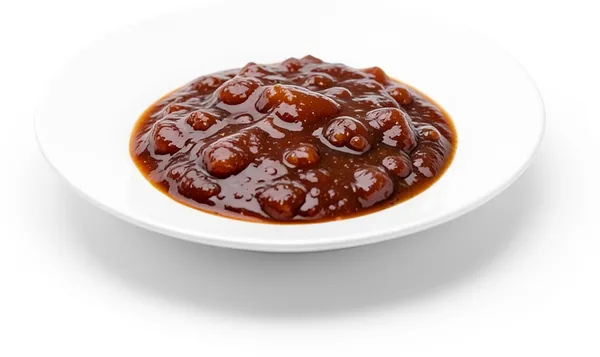
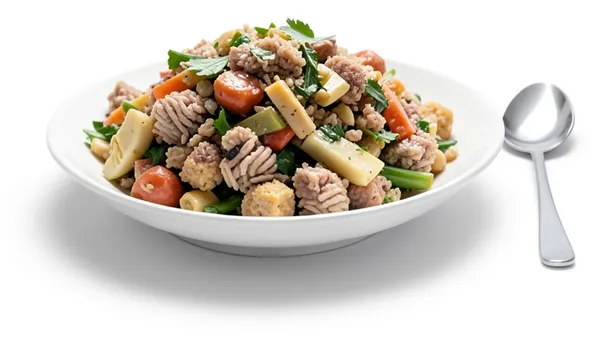
If nobody asks for seconds, and that is what happens at the table, it comes off the menu.
- ✓the evidence that triggers itnobody asks for seconds
- ✓where it comes fromwhat happens at the table
- ✓what you do about itit comes off the menu
The recipe card is just a simple example, using everyday cooking ideas everyone understands, to make the concept clear.
What it really means
A decision threshold is not a future feeling. It is the line that says what evidence would make you continue, cut or change direction. Until you can name one threshold, one evidence source and one action you will take if it is met, you are still improvising. AI can help compare scenarios, but it cannot commit you to a line.
Make the decision threshold concrete
Compare the broad version with a version you can actually test.
- Too vague: We will keep watching and change course if needed.
- Concrete enough to test: If nobody sends twice in the first fortnight we stop, and we write up why rather than adding features to rescue it. The evidence is the logs, which are ours to read.
The second version lets two people make the same course correction from it.
Check the decision threshold
- Pass: You can say what evidence will trigger change, where it will come from and what action follows.
- Fail: If changing your mind still depends on watching how it feels over time, the threshold is not clear enough yet.
Do not move into launch or iteration work until this passes.
What you'll walk away with
This post is about the framing decision: the words that pin down what this idea actually means for your build, before any code. You'll come out with your own knowledge-base/launch/decision-threshold.md written and sharpened: the decision threshold pinned down as a decision, three worked examples to map against your own surface and an AI prompt that pressure-tests it until two people would make the same call.
Write it down
Your decision-threshold.md is a real file in your project. The AI forgets everything between sessions. It reads this file each time to pick up what you already decided, on this idea or another part of the build. Write it down once instead of explaining it again.
knowledge-base/framework/launch/decision-threshold.md is just a suggested name and place for this information. The name and the location are just how we organise this type of documentation, not something you have to follow. Call the file and put it wherever suits your project. What matters is that it is written down in a format that is easily understood by both people and the AI.
The .md ending is markdown, a plain text format often used for documents kept in a code repository like GitHub. It is just the common way people store this kind of writing alongside their code.
Writing it down is how you keep good context for your AI. See Keep the signal, not the noise for why this matters across a whole build.
Risk and mitigation
- Risk: Moving the threshold after feedback arrives, which turns every comment into a new argument and slows launch decisions.
- Mitigation: Define one clear evidence rule before release and revisit it only when new data shows the original rule no longer protects user outcomes.
Key takeaway
Do not move forward until you can say what evidence will trigger change, where it will come from and what action follows.
How to document your decision threshold
Write your decision threshold up in full so your AI has the whole picture: the answer, why you believe it, what you are optimising for, where you might be wrong and the standing instruction it should follow. Keep it in a file with your project like this.
# Decision threshold

## Answer
Threshold: [what evidence will trigger change]
Evidence source: [where that evidence comes from]
Action that follows: [what action follows if it is met or missed]

## Evidence
Why you believe this. Conversations, examples, tickets, your own experience.

## Decision
What you are optimising for and what you are saying no to.

## Risk
Where you might be wrong and what would tell you.

## AI instruction
The standing note your AI reads on this project.
Here is one filled in so you can see what good looks like, grounded in the recipe card idea from earlier.
## Answer
Threshold: Nobody asks for seconds
Evidence source: What happens at the dinner table
Action that follows: The dish comes off the menu

## Evidence
I have kept dishes too long on gut feeling, so deciding the cut-off before the meal keeps me honest.

## Decision
Optimising for a rule set in advance. Saying no to arguing the dish back onto the menu after the fact.

## Risk
One quiet night might not be a fair test. Set the threshold across a couple of meals, not one.

## AI instruction
Decide in advance: if nobody asks for seconds across the next dinners, the dish comes off the menu. Judge it by what happens at the table, and follow the rule.
Share a thought or a question
Join vibe2value for free to share your thoughts and feel welcome to ask a question in the comments. If you prefer, email me your question: matt@vibe2value.com